

Here's a number that should bother anyone working in a laboratory: global paper consumption has increased by 400% in the last 40 years. Laboratories are among the most paper-intensive operations in any organization — lab notebooks, batch records, SOPs, calibration logs, stability reports, certificates of analysis, training records, and deviation forms. A mid-sized pharmaceutical QC lab can consume over 500,000 sheets of paper annually.
COP 27 in Sharm El Sheikh, Egypt, brought renewed attention to corporate sustainability commitments. For laboratory-intensive industries, going paperless isn't just an environmental gesture — it's one of the most practical sustainability initiatives available, with the added benefit of improving data integrity and operational efficiency.
The Scale of Paper in Laboratory Operations
Walk through any GMP laboratory that hasn't digitalized, and you'll find paper everywhere: printed SOPs in binders on every bench, handwritten lab notebooks with carbon copies, paper-based batch records moving between departments for signatures, printed instrument output — often on thermal paper that fades within two years, filing rooms consuming valuable floor space for document retention.
The environmental cost extends beyond the paper itself. Printing infrastructure (toners, cartridges, maintenance), physical storage (climate-controlled archive rooms), and transportation (courier services for multi-site document distribution) all carry carbon footprints that most organizations never quantify.
What COP 27 Means for Laboratory Operations
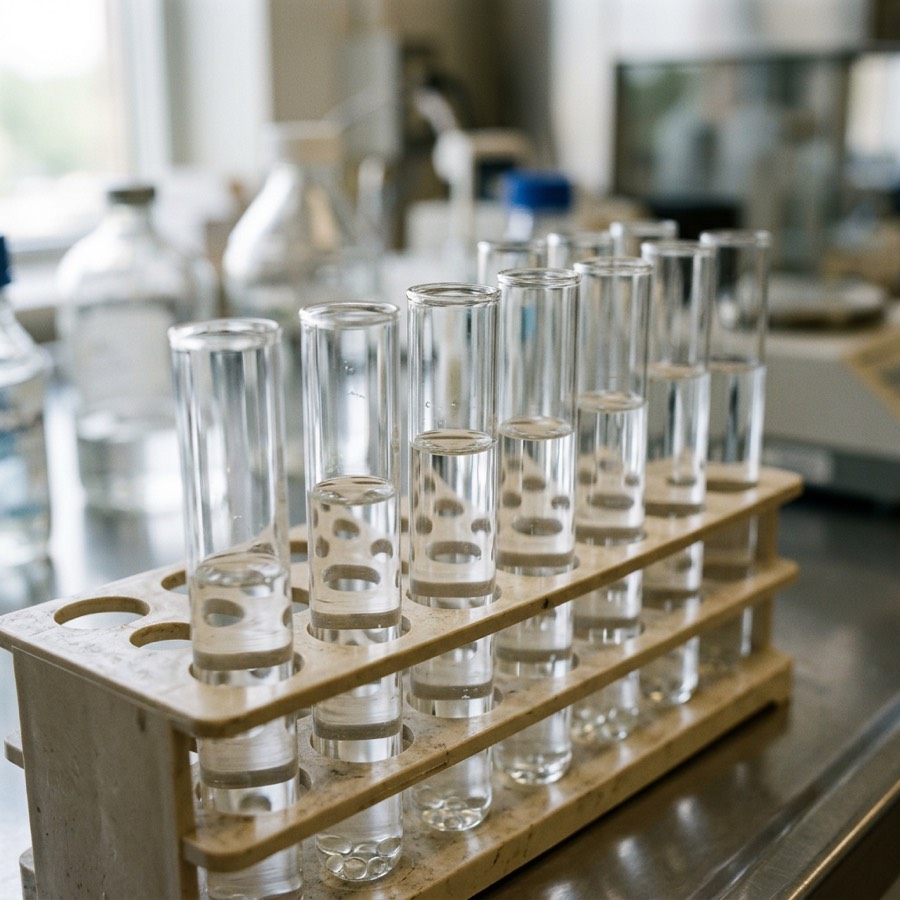
COP 27 emphasized the need for measurable corporate contributions to emissions reduction. For organizations in pharmaceutical, food, and chemical industries — where laboratories are core operations — paperless laboratory initiatives offer quantifiable environmental impact that supports ESG reporting commitments. CORPEX Informatics, headquartered in the New Administrative Capital of Egypt, has been advocating for laboratory digitalization as both a compliance and sustainability strategy.
A typical LIMS implementation reduces laboratory paper consumption by 70-85%. Multiply that across an organization with multiple laboratory sites, and the cumulative paper, printing, and storage reduction becomes a meaningful line item in sustainability reports.
How Laboratories Actually Go Paperless
Paperless doesn't happen by simply banning printers. It requires replacing paper-based workflows with electronic equivalents that satisfy regulatory requirements — particularly FDA 21 CFR Part 11 and EU Annex 11 for electronic records and signatures.
- LIMS — Laboratory information management systems replace paper-based sample login, test assignment, result recording, and report generation with electronic workflows
- SDMS — Scientific data management systems capture and store instrument raw data electronically, eliminating printed chromatograms, spectra, and instrument reports
- Electronic Lab Notebooks (ELN) — Replace bound laboratory notebooks with searchable electronic records that support collaboration and IP protection
- Digital QMS — Quality management systems eliminate printed SOPs, paper-based deviation forms, and manual signature routing for change controls
- Electronic signatures — Validated e-signature capabilities remove the need for wet-ink signatures on every lab record, batch record, and quality document
Computer system validation services ensure that each electronic system meets regulatory requirements for data integrity, rendering paper records unnecessary rather than just supplementary.
Beyond the Environmental Case
Paperless Lab Benefits Beyond Sustainability
- Data integrity — Electronic records with audit trails satisfy 21 CFR Part 11 requirements far better than paper records
- Search and retrieval — Finding a specific result from 2019 takes seconds electronically vs. hours in a paper archive
- Remote access — Quality decisions, data review, and approvals can happen from anywhere, supporting flexible work arrangements
- Disaster recovery — Electronic records with validated backup survive fires, floods, and facility damage. Paper archives don't
- Space reclamation — Archive rooms convert to productive laboratory or office space
Starting the Paperless Transition
Going paperless is a journey, and most labs tackle it in phases — starting with the highest-volume paper processes (usually sample management and instrument data capture) and extending to quality management documents and batch records over 12-18 months. CORPEX Informatics provides the LIMS, QMS, and integration infrastructure to make this transition practical and compliant.
COP 27 gave the world a deadline. For laboratories, the paperless transition is one of the most achievable ways to contribute — while simultaneously improving compliance, efficiency, and data integrity. That's an alignment of interests too good to ignore.
Ready to Go Paperless?
CORPEX Informatics helps labs eliminate paper with LIMS, SDMS, and electronic record systems.
Request a Demo